
Yeah, but what did he drive there in?
- 17 Posts
- 645 Comments
Joined 1 year ago
Cake day: December 4th, 2024
You are not logged in. If you use a Fediverse account that is able to follow users, you can follow this user.

 10·3 days ago
I’d go on a few dates with a fence post if it approched me first.
To shreads you say.
 1·3 days ago
Feels basically exactly like a blocked ear but I can actually pop my ear perfectly fine with no change at all in the hearing loss. So far the steroids haven’t done anything for it. I can kinda still hear low tones but everything is muffled. It’s like I’m wearing an ear plug.
It started with weird ballance issues and then suddenly yesterday I woke up almost entirely deaf in one ear. Went to the doc and they said there’s no sign of infection. Best guess is some inflammation in my inner ear somewhere but they can’t know for sure without getting me in to see a specialist. They said it would have probably gone away on it’s own eventually but if the hearing loss in particular did happen to stick around for too long then it could become permanent so they’re hitting me with a steroid hammer just to make sure.
 4·4 days ago
Same here. Started a computer science degree because I liked coding and was good at it. Then I got a job writing some software and realized that if I had to do that all day every day I would jump off a building. Dropped out the same year. Now I’m a refrigeration mechanic and loving it plus making way more money than I would have as an entry level comp sci major.

 20·4 days ago
She’s deaf not mute.
Bet you feel pretty dumb.

Exactly right. I didn’t ask them for advice. They just assumed I was some schlub needing steroids because I can’t take care of my body. I’m taking it for inner ear inflamation of all things. I work a very physical job and I don’t know the last time I’ve had an issue with even moderate physical pain other than from blatant injuries from things like accidentally smashing my finger. I spend most of my day climbing ladders with 80lbs of gear strapped to my back without issue. A bit insulting to have some rando come in and assume I’m not taking care of myself because I’m on a certain medication.
Honestly same on the low carb. I did keto for a couple years and felt probably the closest I ever have to how I do now. I did eventually stop because it was more of a pain than it was worth for me. Physically I’m normally I’m pretty good even without keto. The steroids are just another level entirely of course.
The reason I’m on the steroids right now isn’t even for anything musculoskeletal. They’re blasting me with enough steroids to fight god for an inner ear issue of all things
They put me on 60mg of Prednisolone. The only other time I’ve been on a steroid was a dosepak but this time they’re just hitting me with the max dose for the full duration. Aparently my doc wants me feeling like I could win a fist fight against a Boeing 787.
So far so good. Not sure how well I’m going to sleep though.
 2·4 days ago
Sorry for the impending refrigeration rant but I’ve seen a lot of dead chest freezers and small bar owners disapointed at that news so now I have been activated like a sleeper agent. Not dirrected specifically at you or even terribly applicable to the thread. Just a PSA for anyone who wants to mine my text wall.
Yes, chest freezers can handle an occasional high temp pull down. The issue is how continuously/frequently they have to do it. As far as your example about loading a whole bunch of hot food in the freezer; people frequently kill them that way even today. Most people don’t realize that most chest freezers aren’t really designed to freeeze things; they are just designed to keep already frozen things frozen. It’s actually recommended that you initially freeze things in a standard freezer before you transfer those things into your chest freezer. For most chest freezers pulling things down to temp is not part of the design parameters and they usually will say that somewhere in the manual which no one reads because who needs a manual for a freezer.
There are several reasons for this. Firstly, the refrigerant metering device on your average chest freezer is just going to be a capillary tube. Cap tubes are great because they’re just little tubes so they’re dirt cheap and there is nothing that can really go wrong with them if they don’t get plugged or broken. But they also suck because they are just little tubes so they don’t adjust to varried loads at all. They are designed for a specific box temp and a specific ambient temp. If the box temp is too high they just underfeed refrigerant and the whole system runs hot and poorly until the box temp gets down close to the design temp. The hermetic compressors used on chest freezers (and almost everything now) are cooled by the suction gas going back to the compressor. If that suction gas comes back significantly warmer than designed then the compressor will begin to heat up and eventually overheat entirely. Compressors are specifically designed for either freezer or cooler use at least in part due to this (also compression ratios). The compressor should have a thermal overload (the sole safety device on even many new chest freezers) that shuts it down when that happens but that’s just a safety device. That thermal overload is mostly there as a circuit breaker device in case the compressor is drawing too much power usually due to failed start components. If too much current passes through the overload to the compressor then it gets hot from it’s own heat like a normal circuit breaker and trips. It only somewhat serves as a compressor high temp cutout because it’s mounted on the compressor shell and when the shell gets hot enough it will also trip the thermal overload or at least make it easier for it to trip. However that is only sensing the external shell temperature of the compressor. The windings, bearings, and other internals get much hotter than the outer shell. They aren’t designed to repeatedly overload and doing so will lead to them progressively getting hotter and hotter until eventually the compressor fails due to overstressing the internals. Put it this way, when I encounter a compressor that has been repeatedly tripping the thermal overload, the compressor shell is almost alway hot enough to instantly flash water to steam and that is the coldest part of the compressor. Repeated overloads also destroy the start components. I actually just had to swap start components on a little freezer today because it tripped the thermal overload enough (failed condenser fan motor) to fry the start relay. Depending on the refrigerant and oil, the refrigerant or oil itself can also break down into a wax or even an acid under high temps which will plug the capillary tube or basically electroplate the compressor bearings with disolved copper from the pipes until they seize solid. R-134a which was a fairly commonly used refrigerant in smaller refrigeration appliances (typically fridges), is particularly bad about waxing up cap tubes. Also newer POE oils are actually much worse than the older mineral oils as far as potential acid issues go.
Of course this is all assuming we’re talking about a plain old no frills chest freezers. There are fancier ones out there designed with higher performance in mind, but even today most chest freezers sold are the same big dumb boxes they were 40 years ago, just now with new refrigerants and sometimes digital thermostats. If you weren’t specifically looking for the fancy ones then I can almost guarantee that you have a big dumb box type chest freezer. I also still wouldn’t recommend using one of the fancier ones for this because it’s still outside design parameters. Even the multi thousand $ commercial units I work on aren’t really that much more than a big dumb box which will stab you in the wallet if you get too creative with it. You don’t get into much safety equipment or guardrails until you start working with walk-in units and even then they will frequently happily cause a $10,000 repair bill just because you didn’t use them quite right or catch a minor problem quickly enough or mercury was in retrograde.
At the same time if you got a free/cheap chest freezer you don’t particularly care about and want to give it a shot then there’s not much reason not to try it. Science is always good as long as you know the potential repercussions. Worst case scenario there is you fry your free/cheap chest freezer and go back to plan A of not using the built in refrigeration. If it is well insulated enough and everything lines up perfectly then it just might work perfectly despite the odds. I do frequently run across equipment that leaves me utterly baffled as to how it could have possibly run for as long as it did under the conditions it was in. That could be this chest freezer battery box.
 1·4 days ago
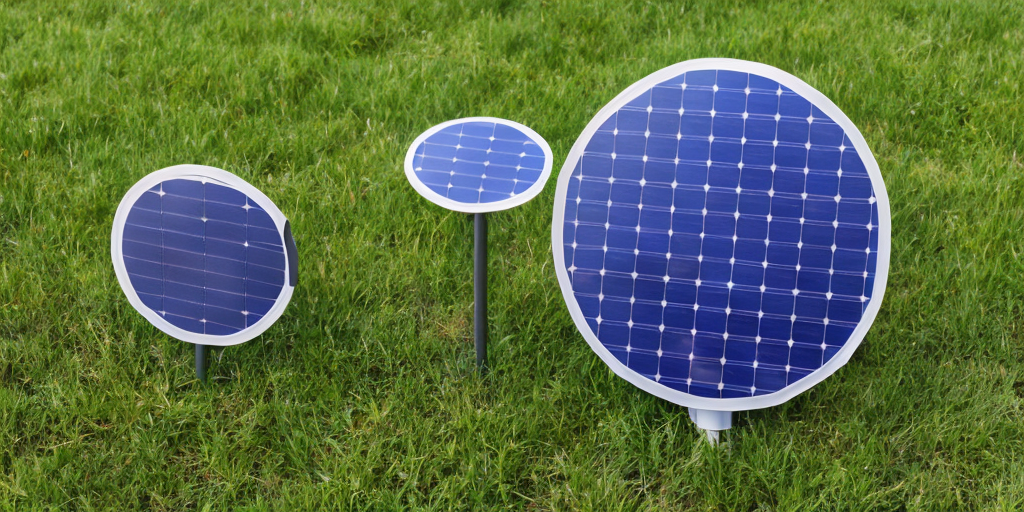
Simultaneously begging and posting AI art on Lemmy? Are you a masochist by any chance?
Ooh. Will any amphetamine do?
You’re sounding suspiciously like the one therapist I saw for a single visit who wound up talking at me unprompted about their special diet that could cure cancer and autism.
Yeah, every once in a while I need to actively tell myself, “Remember, this is temporary. Because if I take it too long my body will basically completely fucking disintegrate.”
Also find myself reminding myself of things like “My spine will become past tense if I attempt to carry that drier down the stairs by hand. I know I think I can do it but I also don’t want to explain to a disapointed looking doctor exactly how I dumb I actually am so I should resist the temptation.”
 1·4 days ago
Looks like the rimworld community escaped containment.







*Nazis